AGP Executive Report
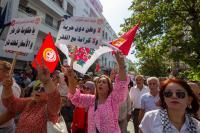
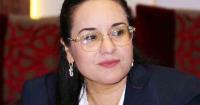
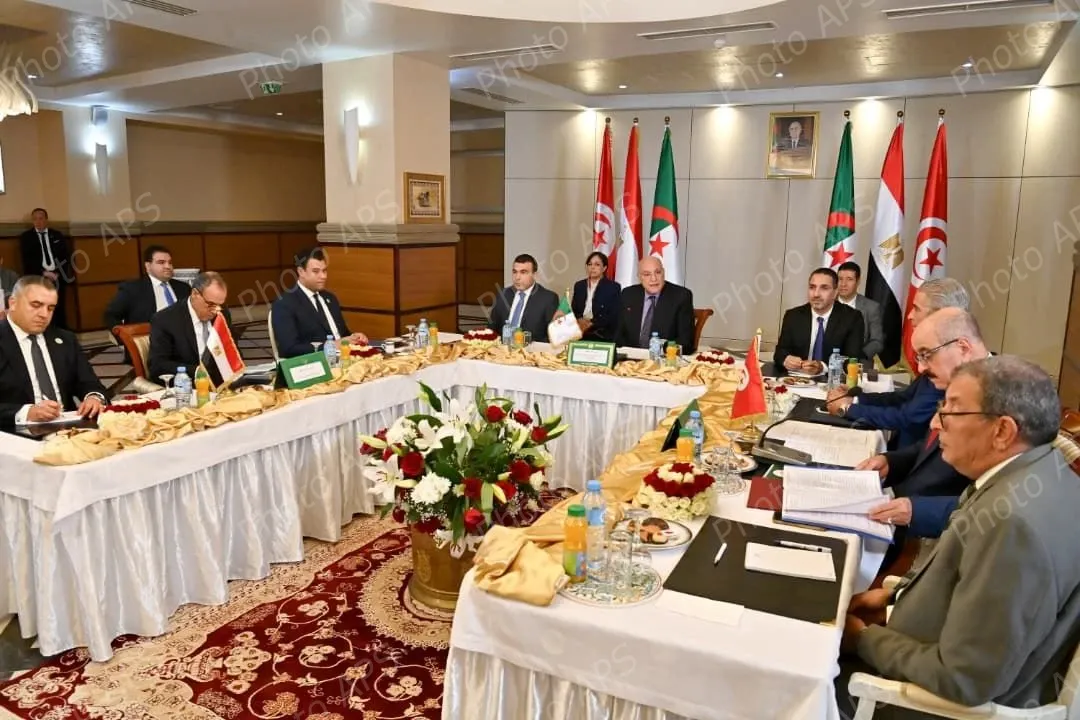
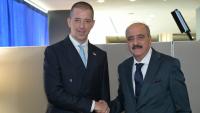
Last update: 11 hours agoLibya Diplomacy: Tunisia joined Algeria and Egypt in Algiers to back a Libyan-led political settlement, unified state institutions and an end to foreign interference. The ministers said the neighboring countries’ mechanism has a central role in supporting the process. Protests and Accountability: Clashes erupted in Tunis and other areas after deaths linked to police actions, with families demanding investigations and protesters decrying poor public services. In Sfax, students also protested after a woman died following a medical emergency, citing delayed ambulance services. Opposition Sentencing: Former presidential candidate and opposition figure Olfa Hamdi was sentenced by a military court to four years in prison over social media posts.
Note: AI summary from news headlines; neutral sources weighted more to help reduce bias in the result. Feedback is welcome. Please let us know if you have any comments or suggestions about the AGP Executive Report.

 Perspectify News